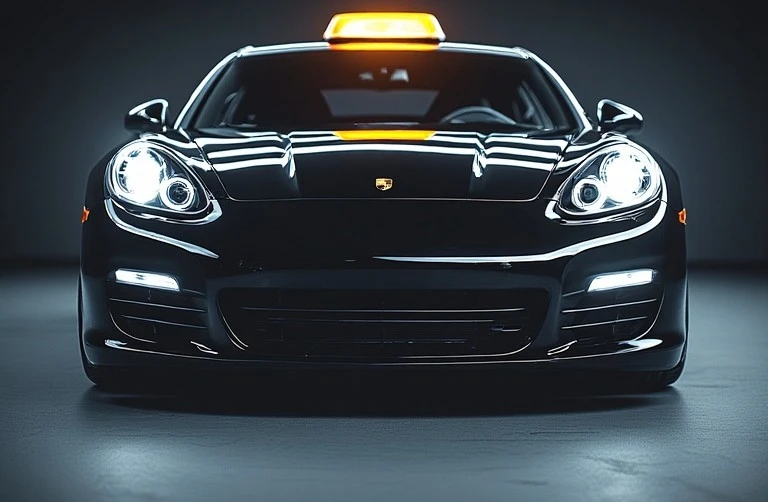
'Heidi'
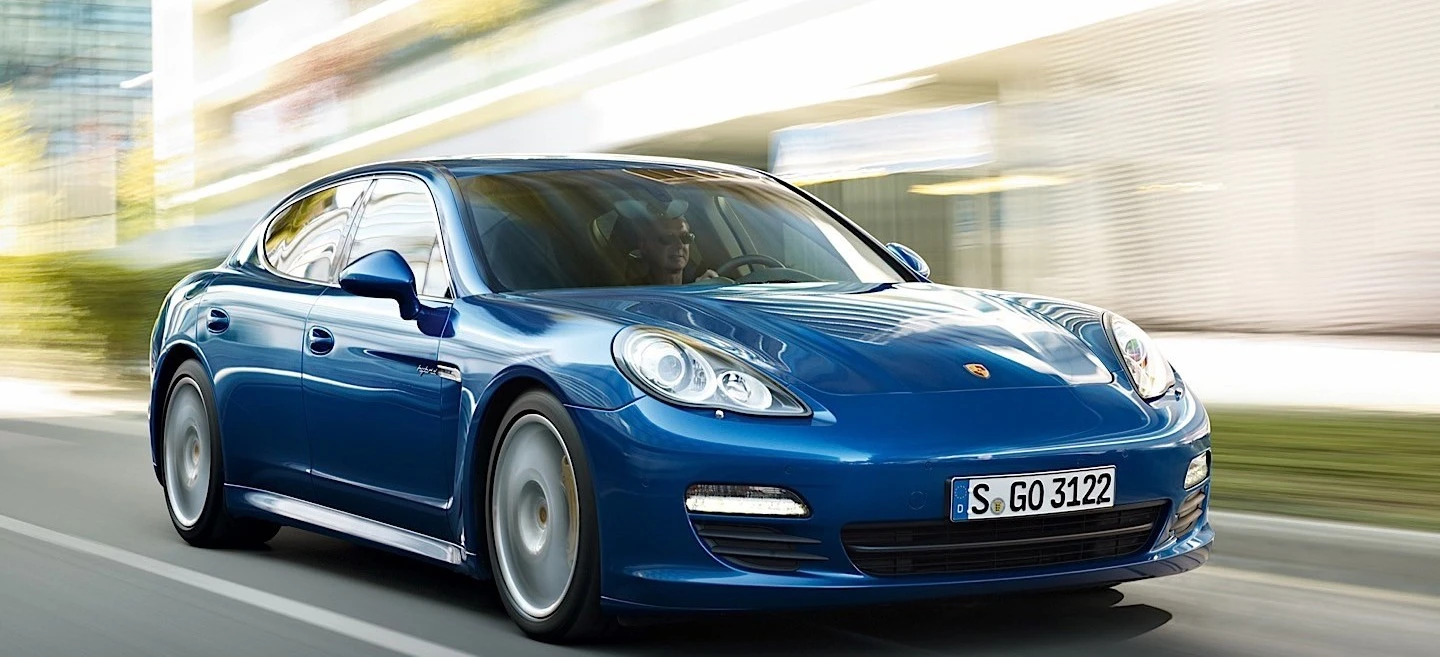
2013 Porsche Panamera S Hybrid
History and Legacy
The Panamera was first introduced in 2009, aiming to redefine the concept of a four-door sports car. The hybrid variant emerged as part of Porsche's broader strategy to incorporate environmentally conscious technology into their lineup. In 2011 Porsche unveiled the Hybrid model in downtown Kuala Lumpur along with the 'Turbo S'. Interior and body styling of both the Hybrid and Turbo S Panamera are different from the base, diesel, and S models.
The 2013 model continues to build on this hybrid legacy (originally debuted in the Cayenne) by offering a slight upgrade in battery power from 2011/2012 models, demonstrating that high performance and eco-friendliness can coexist.
By integrating hybrid technology into a prestigious vehicle, the Panamera Hybrid showcases Porsche's commitment to innovation and sustainability, while delivering the exhilarating performance an response that you would expect from Porsche.
Engine Specifications
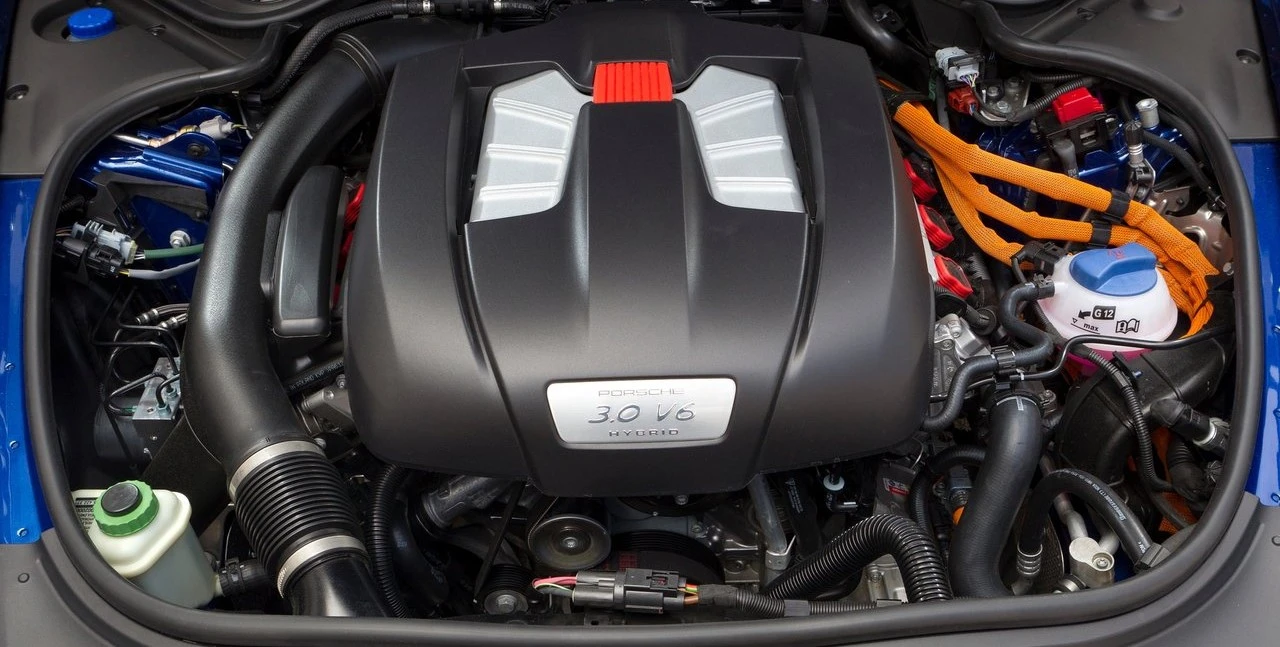
At the heart of the 2013 Panamera Hybrid is a 3.0-liter Supercharged V6 engine paired with a 47hp electric motor. Together, they (officially) produce a combined output of 375 horsepower (280kW) and 516 Nm of torque. The vehicle can (officially) accelerate from 0 to 100 km/h in just under 6.0 seconds, showcasing impressive performance while still prioritizing efficiency. Mated to an 8-speed tiptronic transmission the powertrain is designed to deliver a dynamic driving experience, whether in urban settings or on longer journeys. In real world applications, however, the Panamera S Hybrid is best suited for cross country trips or rural roads where its on-demand power, precise handling, and adaptive air suspension really shine.
After some testing and in line with what any Porsche owner will tell you - modern era Porsche vehicle specifications are drastically understated. See below for what makes this particular car so special.
Hybrid System Functionality
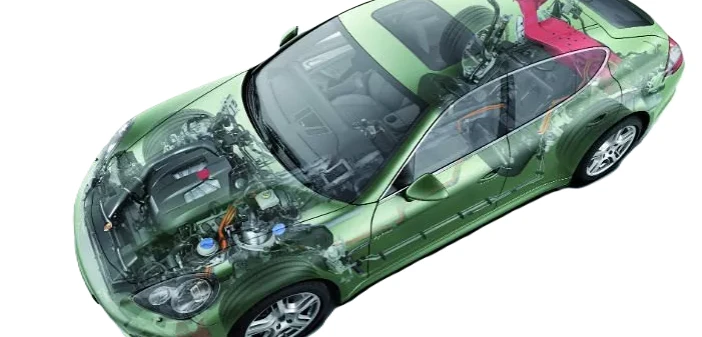
The hybrid system in the Panamera operates by seamlessly integrating the gasoline engine and electric motor. The electric motor assists the V6 engine during acceleration and allows for low-speed operation in electric-only mode, enhancing fuel efficiency and reducing emissions. The system also features regenerative braking, which captures energy during braking and channels it back to recharge the battery, optimizing energy usage throughout the drive. Due to the build design the Panamera S Hybrid achieves near perfect 50/50 weight distrubution with the front mounted engine siting almost directly over the front axle and the batteries mounted over the rear. This gives the car exceptional handling characteristics.
Body Styling
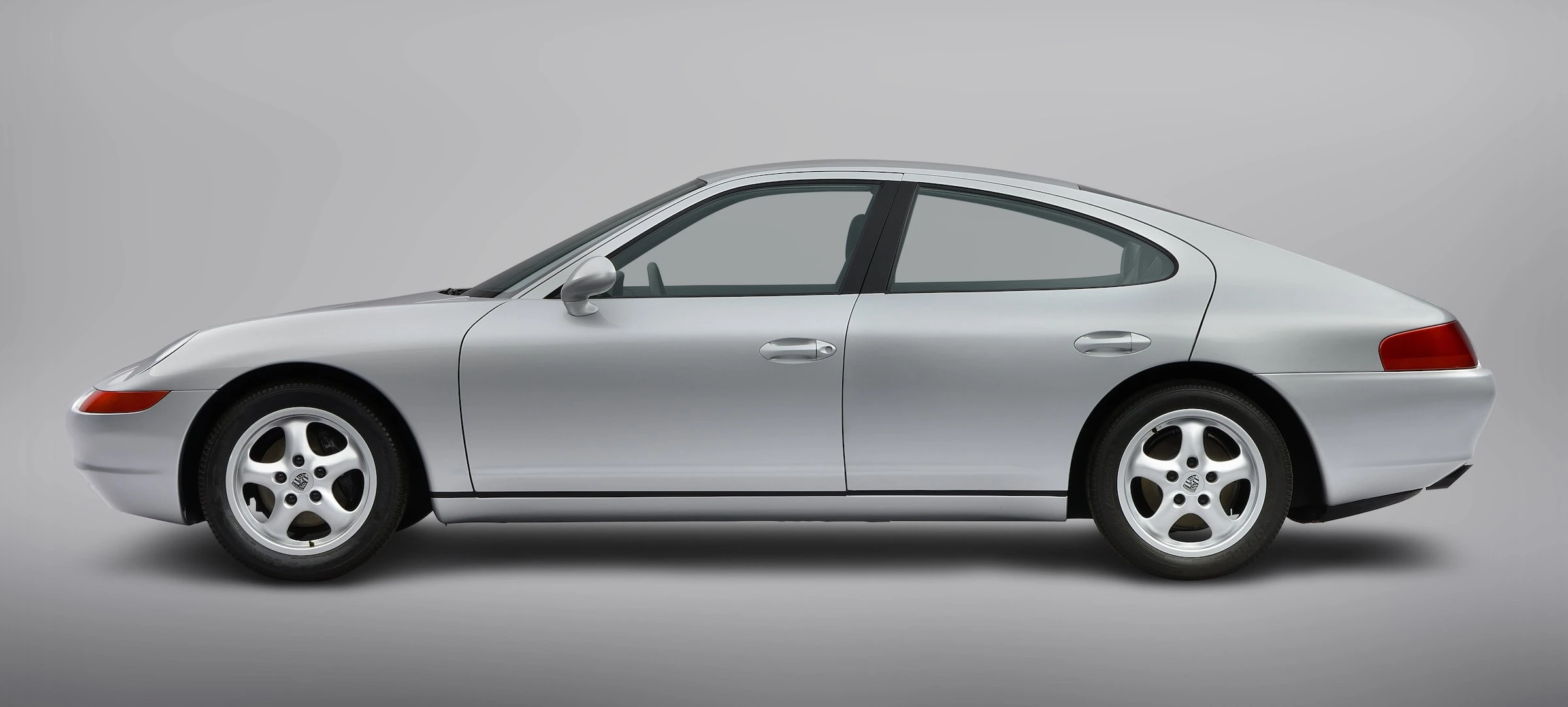
The design of the Panamera Hybrid reflects Porsche's signature aesthetic while promoting aerodynamics and functionality. Its sleek, elongated silhouette is based on the Porsche 989 Concept Saloon which itself was based off the iconic Porsche 911. Although it was never produced, placed side by side the two models are very similar. This design is not merely for visual appeal; it reduces drag to enhance fuel efficiency and acceleration. The plush interior is fitted with high-quality materials and advanced technology, providing a luxurious atmosphere for both the driver and passengers.
What makes 'Heidi' so special?
Heidi is one of the youngest of the original Panamera 970 family. Mid-2013 this hybrid system was discontinued and replaced by an updated plug-in hybrid system (similar to what you would find in most electric vehicles). This includes changing from a Nickel battery to a Lithium battery. Tracing Heidi's lineage we've found that she was indeed one of the final models produced prior to this change. Based on supply and part matching we've found that this particular car has slightly different electronics and supporting componentry than previous models. This car came to New Zealand from Japan - but we don't think it was ever actually intended for the Japanese market. It has some wiring setups used in the Japanese intended models but also some parts that were originally used in models destined for the UK.
What does this mean? Well, she has the best of everything. Car parts typically get better over time - whether it be a slight redesign or material upgrade we think Heidi has the best of everything... and yes. This does make it much harder to maintain.
All Panamera models of this era have an in-built speed limiter of 250km/h. This means the car will not let you reach a higher top speed. This is generally true for all 'spec'ed' cars (BMW, AMG etc.). However during our adventures/difficulties in figuring out how to rewire the car we decided to have this tested. In a safe, controlled, and legal environment, Heidi blew past her limited speed of 250km/h reaching a top speed of just on 300km/h. Heidi also has a higher rate of acceleration than expected and produces well over 400hp. That's fast!
As you have no doubt noticed by now the dash has been partially replaced with a custom, dual Android based head unit. By removing the passenger side wood trim and cupholders we were able to fit what you're looking at now. This allows us to use the custom applications we require as well being able to provide you with information such as this.
With new cars on the way, Heidi is and always will be our signiture, flagship vehicle. We hope you love her as much as we do.
(due to the nature of this type of car we do our best to ensure all information is correct, however, we are still researching. Information is correct to the best of our knowledge at time of writing)